How our donations help Feedback Madagascar create better lives
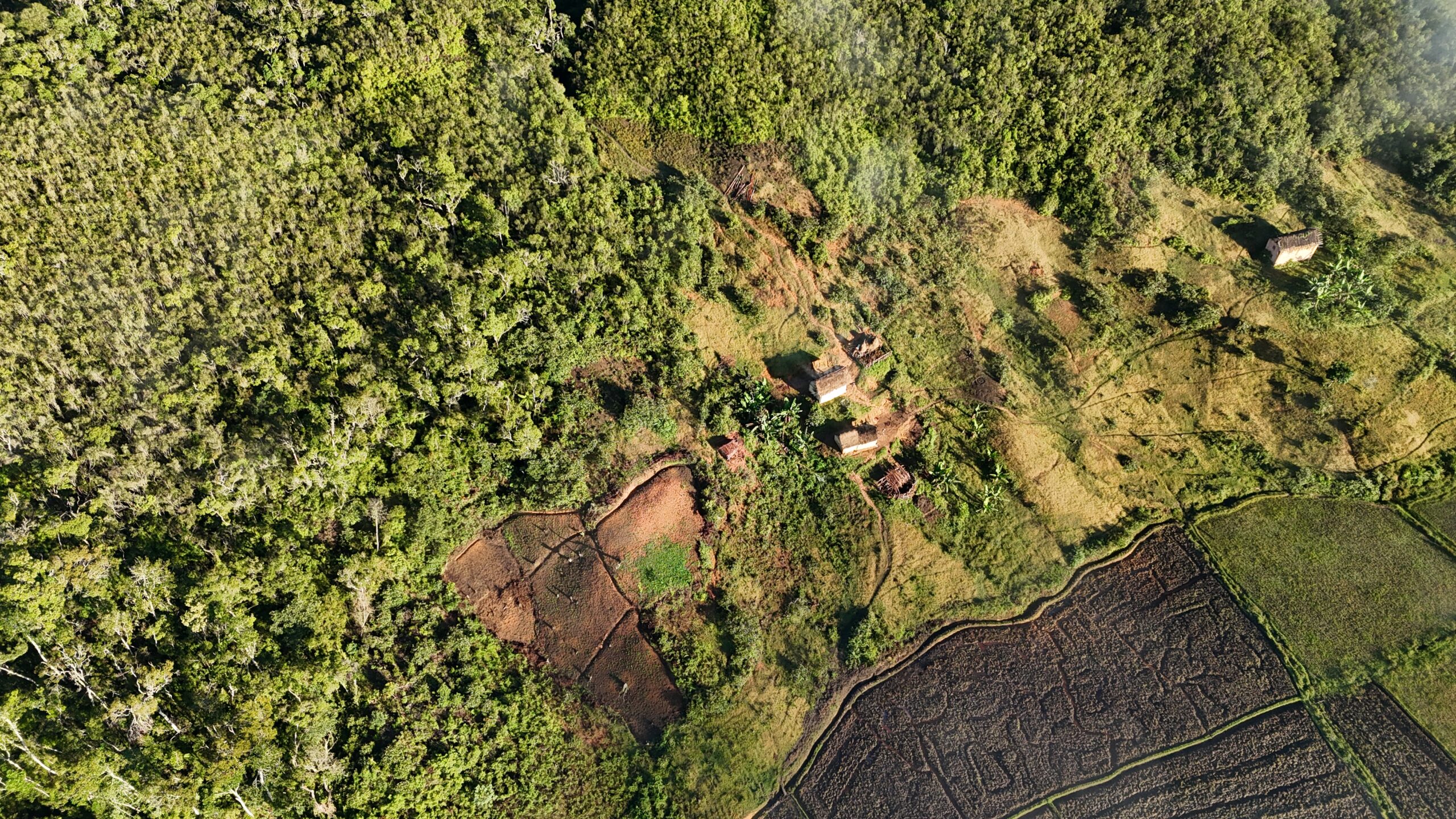
In some of Madagascar's poorest and most remote areas, Feedback Madagascar partners with community leaders, looking at the whole system to do what is right by people and the planet, now and for future generations. Their work includes helping drill water boreholes to provide safe drinking water, building schools and feeding children healthy meals, providing healthcare, emergency relief and human rights support, developing climate resilient farming techniques and setting up village loans and savings associations.
17 June 2026 | by Julia Rust
Why we chose Feedback Madagascar as our charity partner
Our leadership team is committed to making a positive impact on the world so Security for Expenses Ltd. has been contributing to charities ever since it started a decade ago. Over the last four years, we have donated £x to our current charity partner, Feedback Madagascar.
The development and conservation charity was chosen because its long-term commitment to making a real difference was clear: “They are really hands on, on-the-ground making a difference with – not to – the people of Madagascar,” says our finance lead, Grażyna Zielińska. “We trust them, not placing restrictions on how funds are spent as we know the team will decide how to use them to make the greatest impact. They are very open meaning we are lucky to be able to find out exactly how our contributions help.”
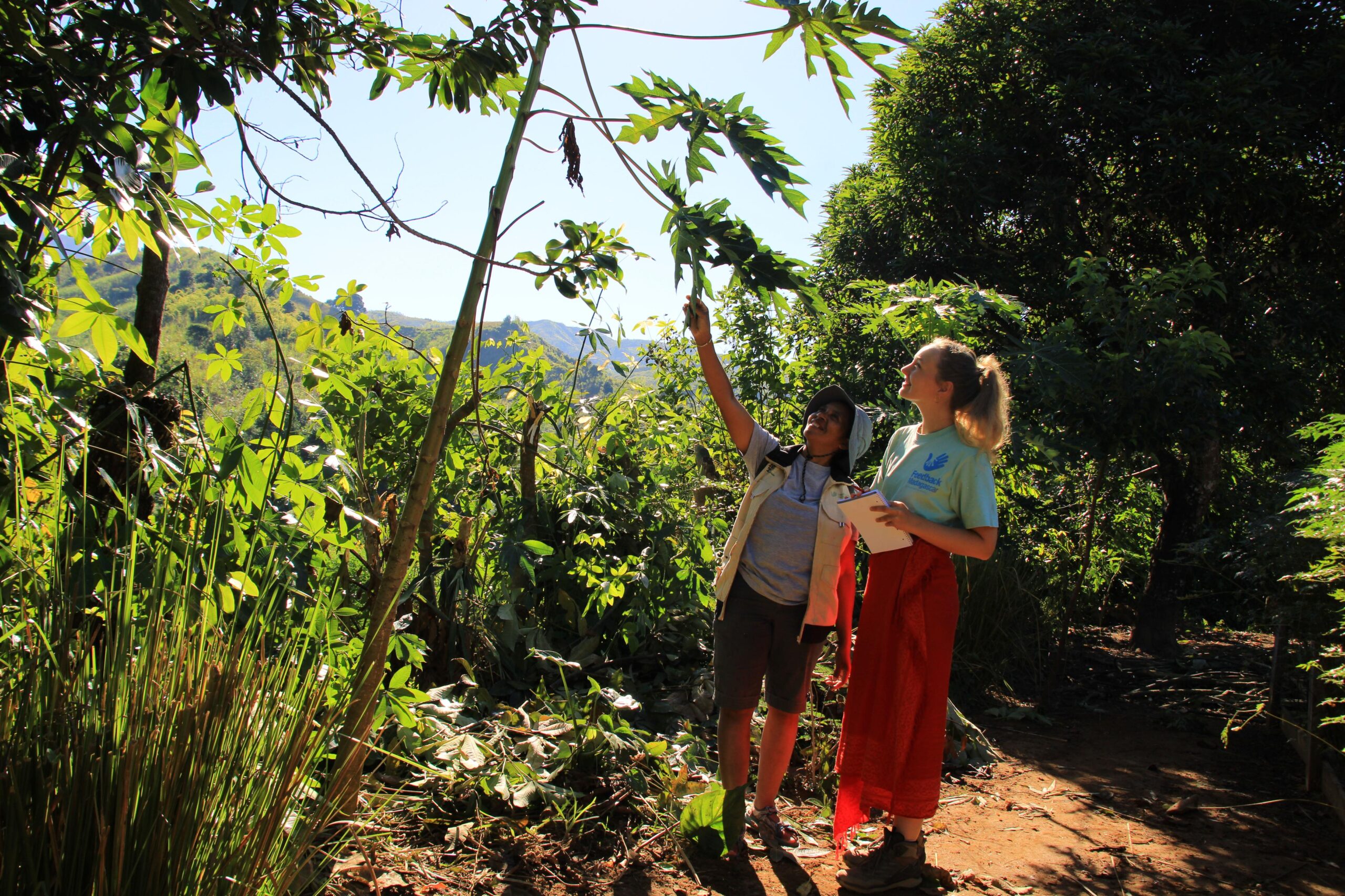
“This type of funding is the mortar between the bricks for us,” says Feedback Madagascar’s Communications Manager, Johanna Spitzy-Joop (pictured on the right below). “It boosts our whole approach in every way and we have endless stories of people and families it is helped.”
She highlights the example of a grandfather the charity has worked with for many years. He farms fish and grows fruit trees. His wife and son now work with the charity on a poultry rearing project, while the grandchildren go to a local school where meals are provided. “Intergenerational change really takes place in this true partnership. We’re in it for for the long haul, building on the basis of what’s needed and also wanted. The money you provide makes this whole way of working possible.”
What is Feedback Madagascar?
There are three key reasons why Feedback Madagascar make a remarkable impact. Its approach is:
1. Holistic It’s easy when talking about charities to focus on the numbers: how many children fed (nearly 100,00 a day), trees planted (2 million+) or boreholes drilled (440+). But what is really remarkable about Feedback Madagascar is its whole-hearted, holistic and innovative approach. It focuses on the whole living system – health, education, livelihoods, human rights and conservation. “There’s no point in education work if people aren’t healthy, or health work if there’s no land or jobs,” says Jamie Spencer OBE who is the CEO of Feedback Madagascar, “Real life is holistic.”
.
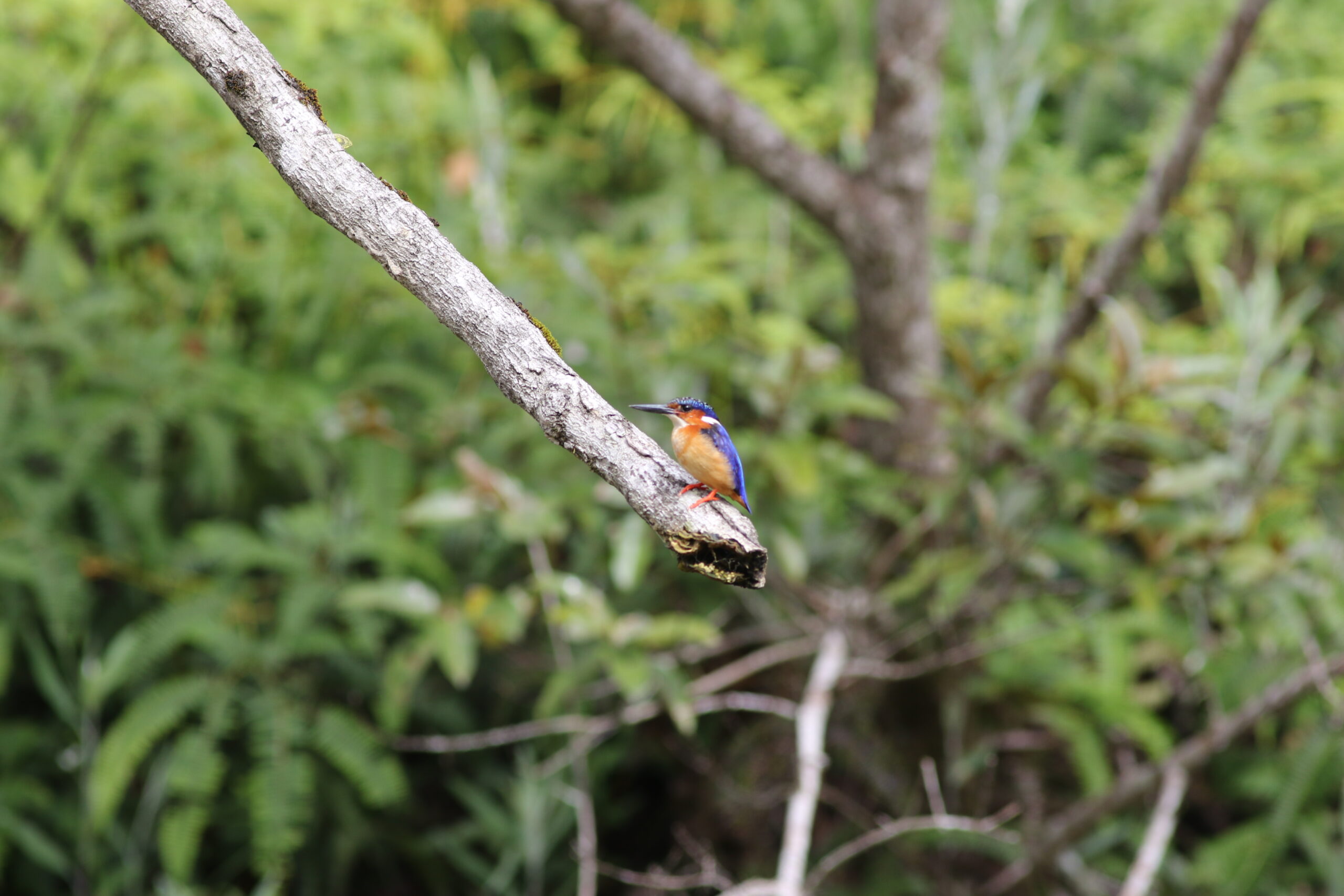
2. Collaborative Madagascar’s biodiversity is incredible, with 80% of species found in its forests not being found anywhere else in the world. But it is also an area that has been hugely affected by climate change and has become one of the poorest countries in the world. For the last 30 years, people from Feedback Madagascar have been living across the country, working side-by-side with communities to identify challenges and the best, culturally appropriate ways to fix them. The charity currently has a team of more than 130 people on-the-ground collaborating with village chiefs, mayors and authorities. “The end goal is not defined by us,” says Jamie, “It’s defined by the people where they see an opportunity.”
3. Long-term Work is also long-term in nature, balancing tried-and-tested approaches with total innovation. Theirs is not a three year plan, but aimed at generational change. Jamie explains that this is essential: “If they know we’re in it for the long-term, people feel secure and partner with us meaningfully.”
“The money you provide makes this whole way of working possible.”
From seaweed to strategy, our donations contribute to:
Researching seaweed to provide nutritious food to children
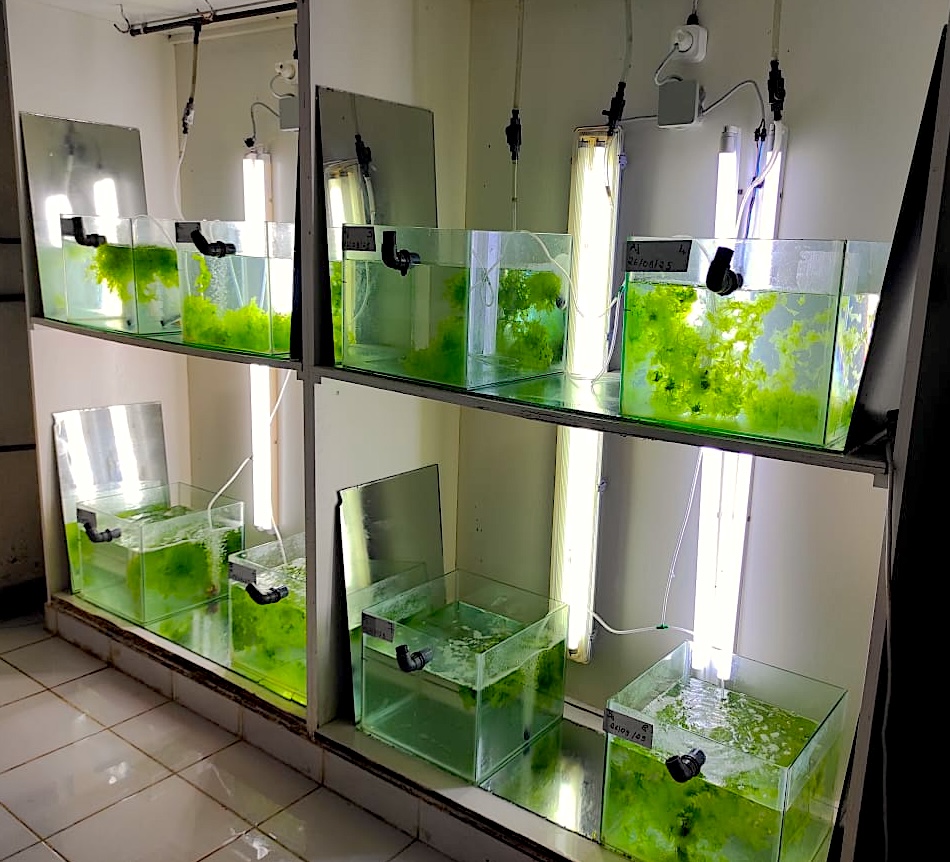
To ensure its school food programme is sustainable, Feedback Madagascar uses as much locally grown food as possible. Of course, meals also need to be healthy, providing nutrients to support children’s growth and development. The team takes a scientific approach to achieving both these aims, for instance, researching food types. Seaweed, is one example. It is abundantly available in the South West of the country, highly nutritious and can be grown on ropes and cages in the sea meaning it is a very sustainable healthy food source. The team surveyed 200 indigenous species of seaweed, tested 13 and are now farming and harvesting four that were found to have particularly high nutritional, vitamin-rich content. The next step is a scientific trial with real people to see how regularly eating this seaweed can provide health benefits which could then support the growth of the thousands of children the charity helps feed each day.
Planting to benefit people and the planet
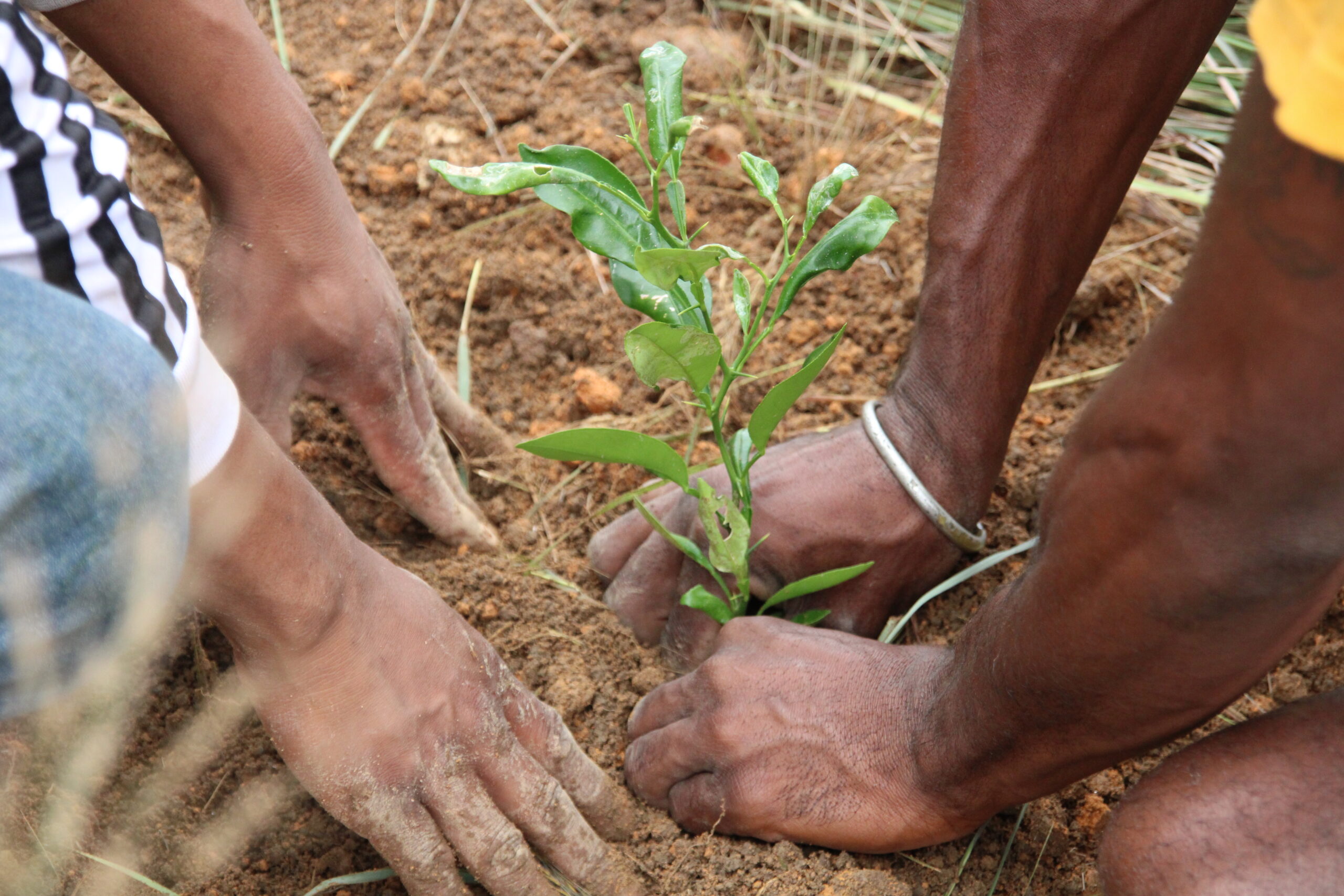
TreeMad is a 12-years-and-counting programme to grow the right trees, for the right reasons, in the right places. This means planting prized oranges, avocados, papayas, lychees, vanilla and coffee, which are all possible to grow in Madagascar. Fast growing firewood alternatives are also planted to protect the forests being cut down. School nurseries teach young people. Fruit and flowers, trees, seeds, saplings and wood are sold in local markets and shops creating job opportunities. It is not just about planting trees, but building a movement around them with creative, culturally relevant communications that ensure the trees and their impact live and last.
Developing frameworks to make change happen
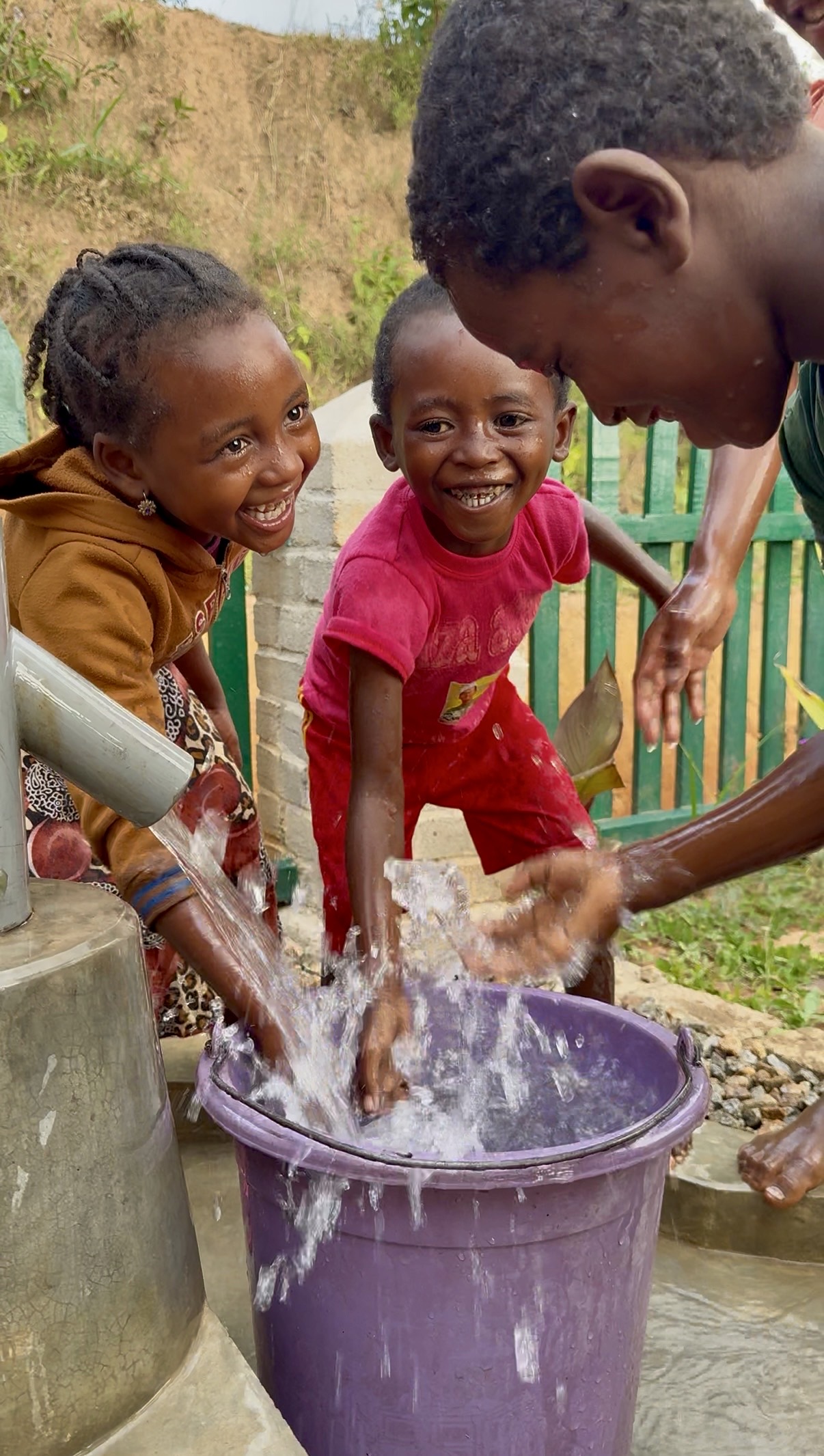
The team carried out a review of projects to identify the elements that make transformation possible. For example, a series of linked projects has a much higher chance of success than one-offs, especially if they start with a ‘catalyst project’ – such as building a school. In these highly visible moments, there is huge engagement from the community and they are even asking, ‘What’s next?’. “We need to make a difference on a day-to-day basis as well as long term to create the biggest impact,” says Jamie. The learning from the strategic review is now embedded into their long-term approach.
“Initiatives like this,” Sir David Attenborough says, “bring hope for the future of Madagascar.”
We’re writing this article to help more people find out about Feedback Madagascar. If you’d like to make an extra donation to its incredible work, visit www.feedbackmadagascar.org/take-action